Rule of 72
Rule of 72 What It Is: A quick way to estimate how long it takes an investment to double. How…

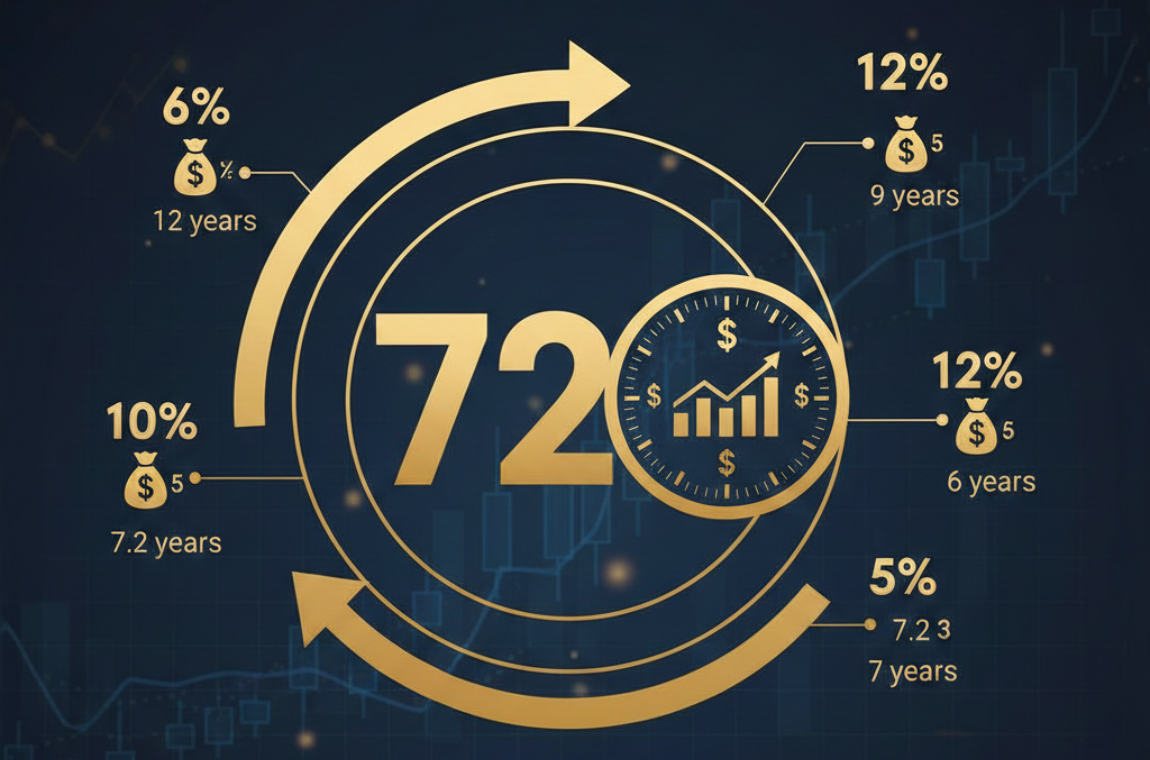
Rule of 72 What It Is: A quick way to estimate how long it takes an investment to double. How…
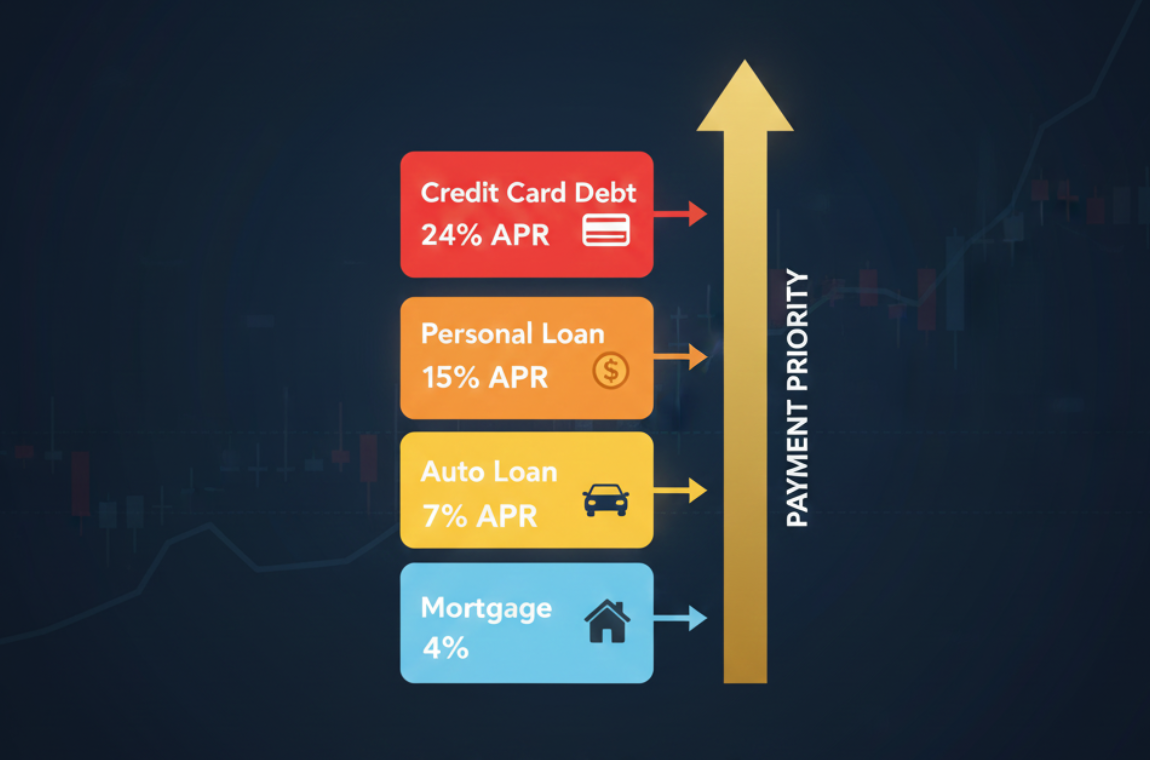
Debt Stacking (Prioritizing High-Cost Debt) What It Is: Paying off debts in order of interest rate (highest first) while making…
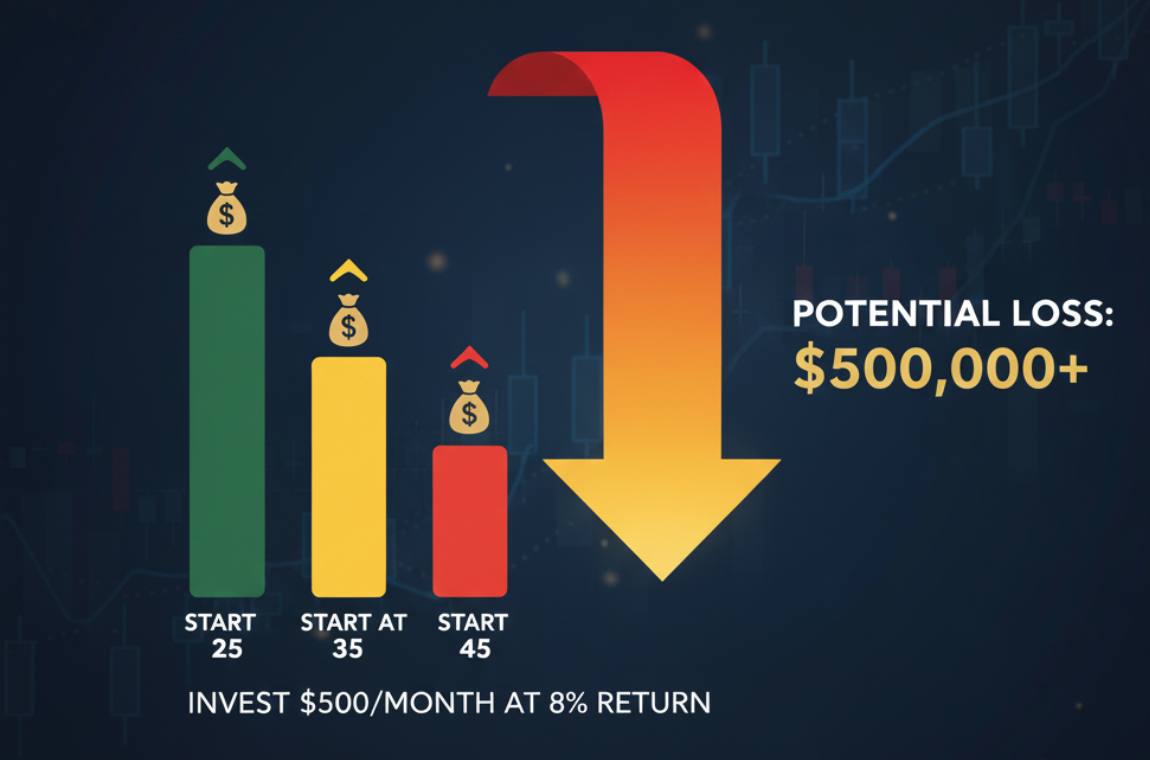
The High Cost of Waiting (Delay Penalty) What It Is: Small delays in saving/investing can dramatically reduce long-term returns due…
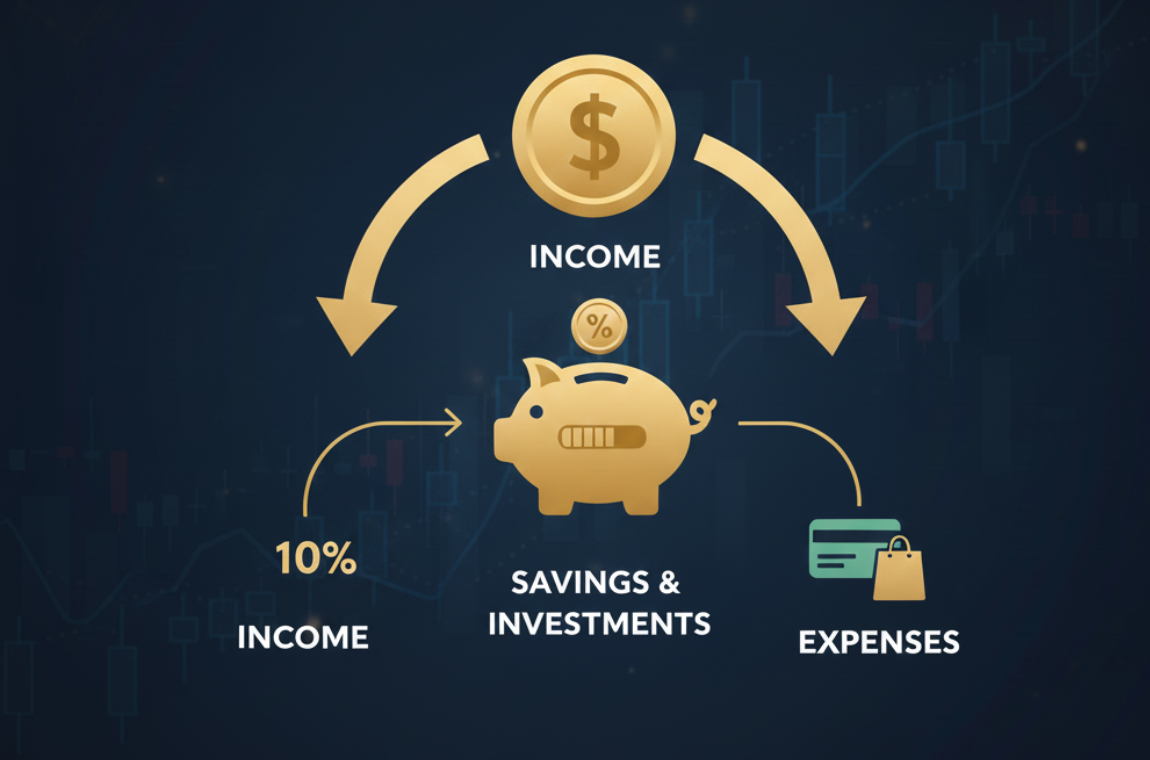
Pay Yourself First What It Is: Prioritize saving by automatically diverting a portion of income into savings/investments before spending. How…
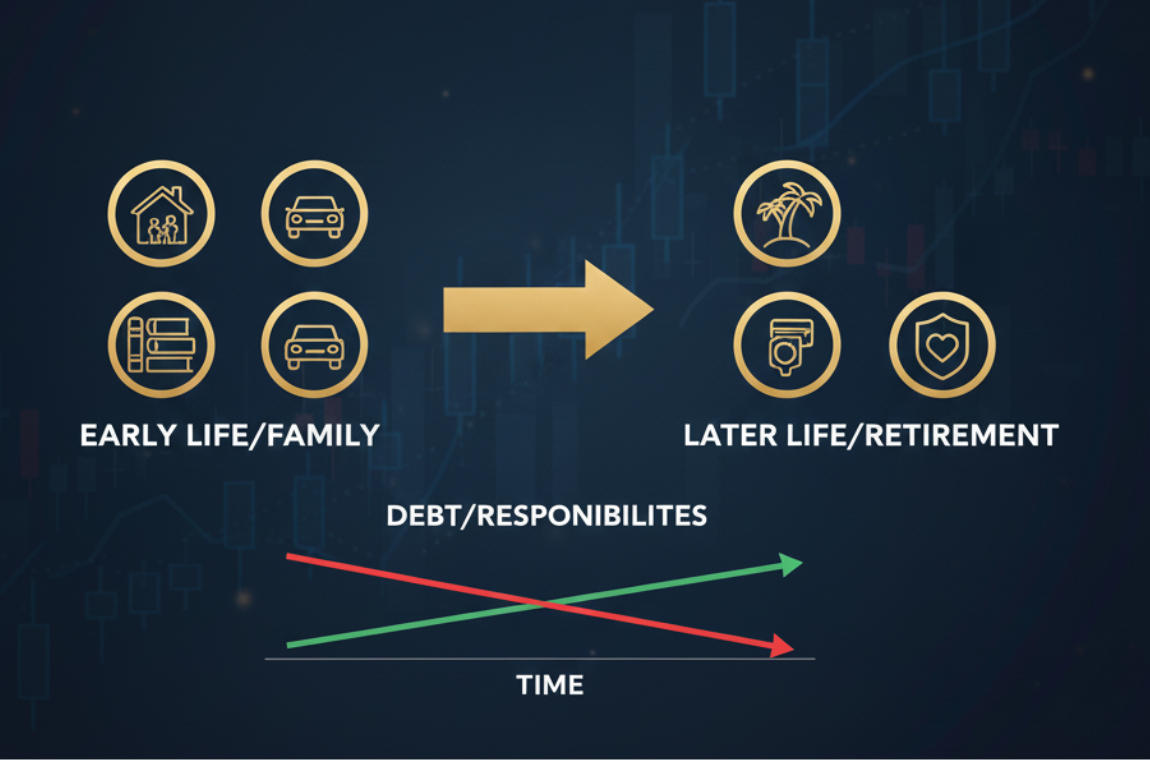
Theory of Decreasing Responsibility What It Is: As debts are paid off and net worth rises, reliance on life insurance…
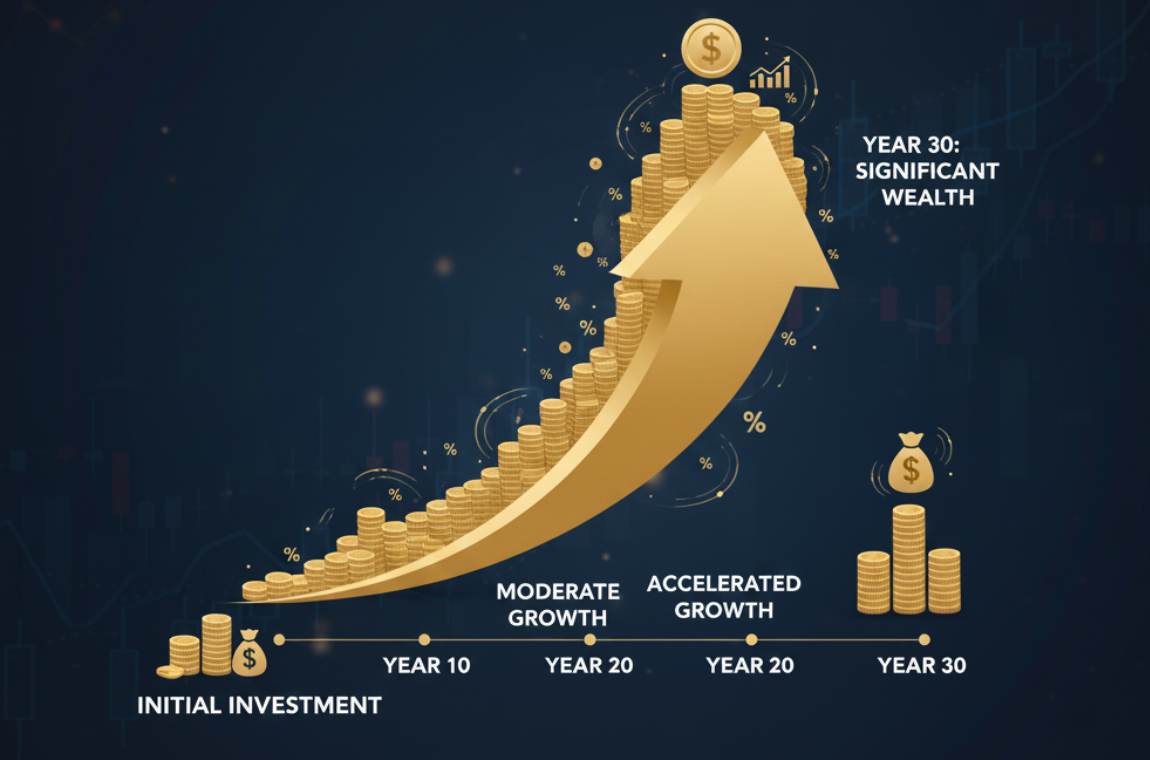
Power of Compound Interest What It Is: Earning interest on interest — the engine that makes long-term investing powerful. Tip:…
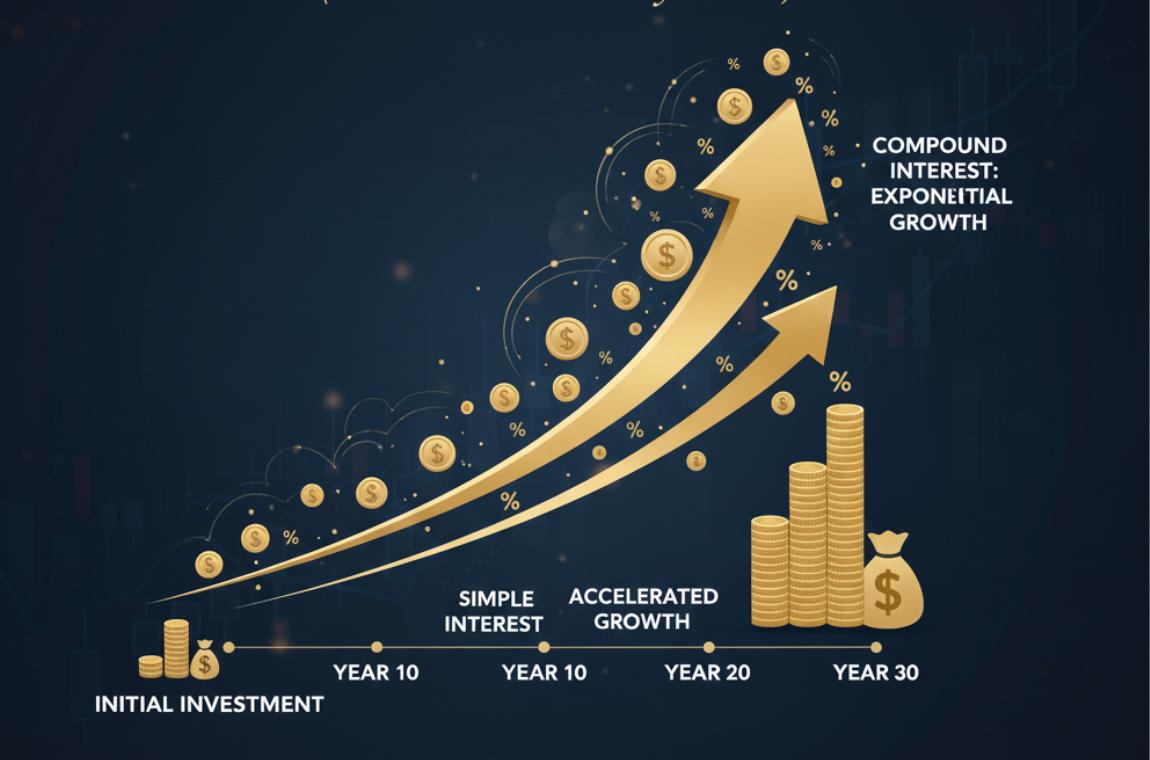
Compound vs Simple Interest Simple Interest: Calculated only on the initial principal. Compound Interest: Calculated on principal + accumulated interest.…
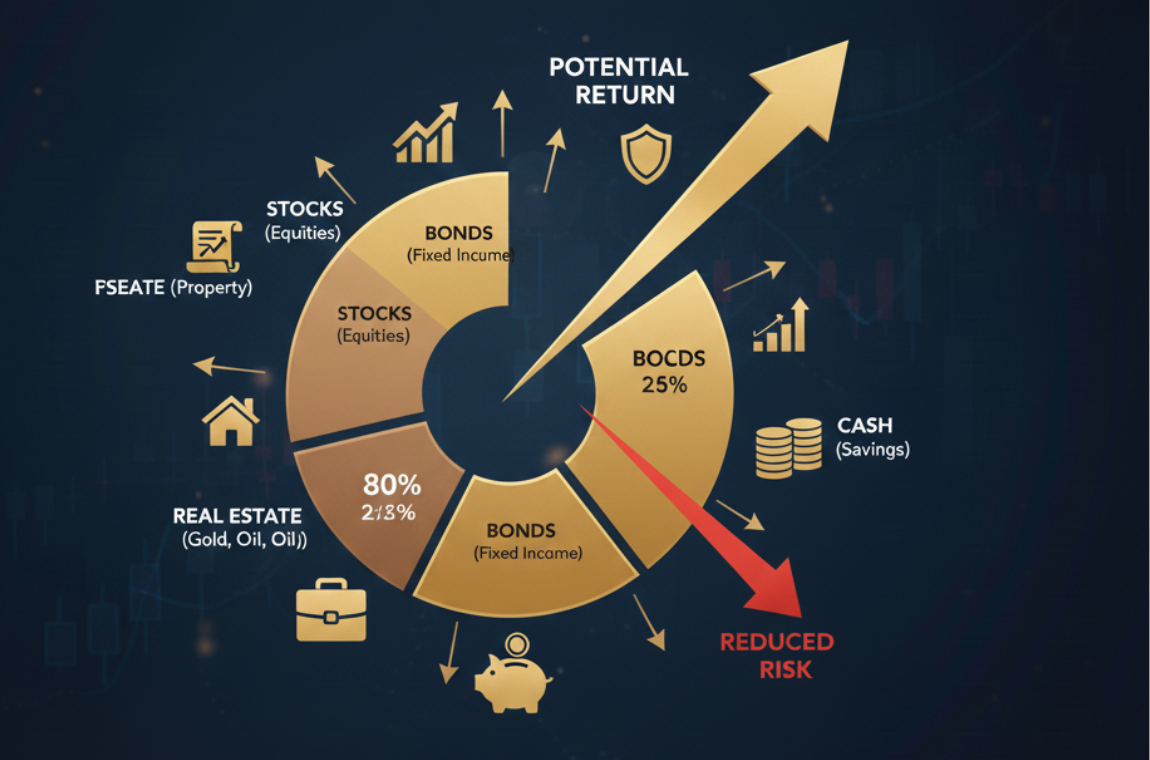
Diversification & Asset Allocation What It Is: Spreading investments across asset classes (stocks, bonds, real estate) and geographies to reduce…
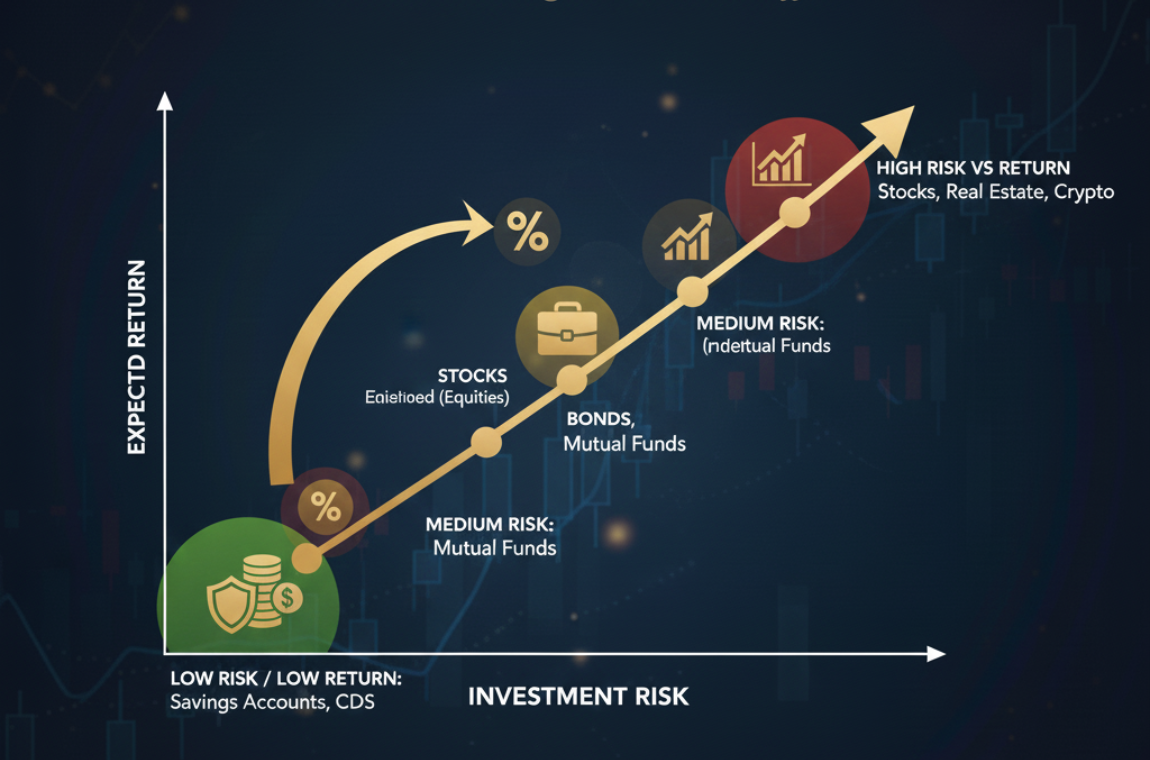
Risk vs Return Concept: Higher returns usually require taking more risk. Practical Rule: Only take risks you can financially and…
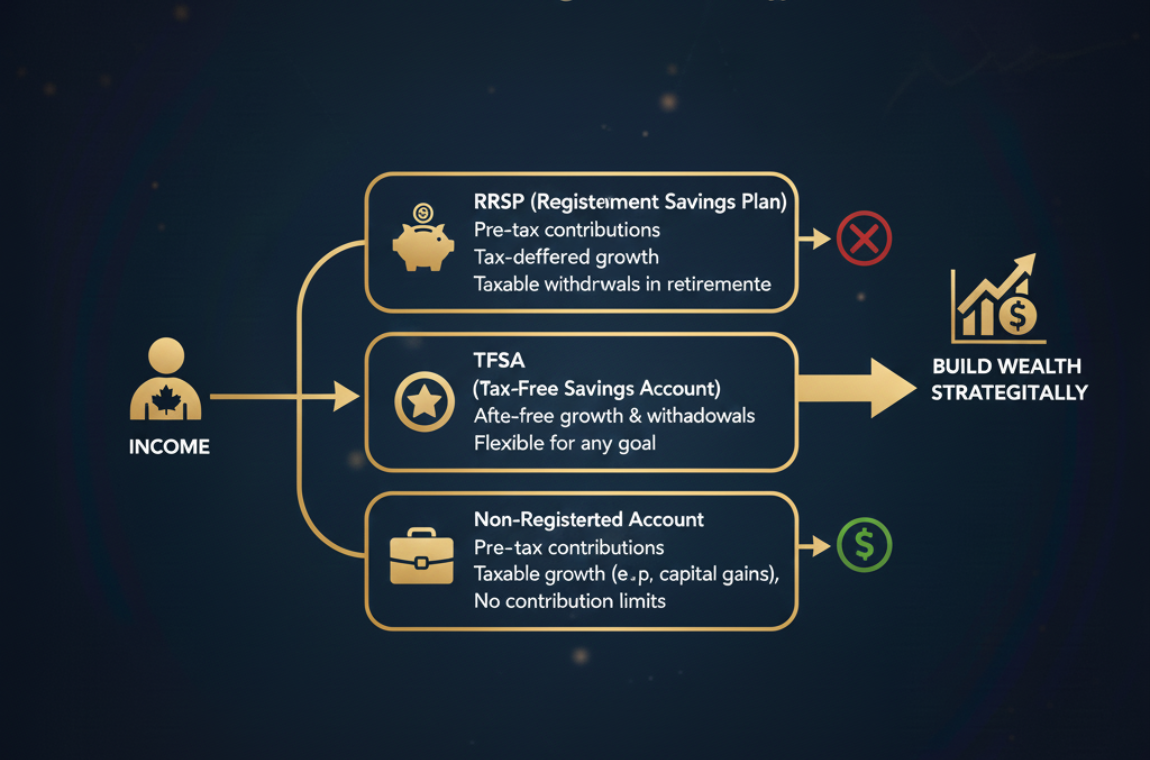
Tax Efficiency & Account Choice (Canadian Focus) Key Accounts: RRSP, TFSA, FHSA, RESP — each has different tax rules and…
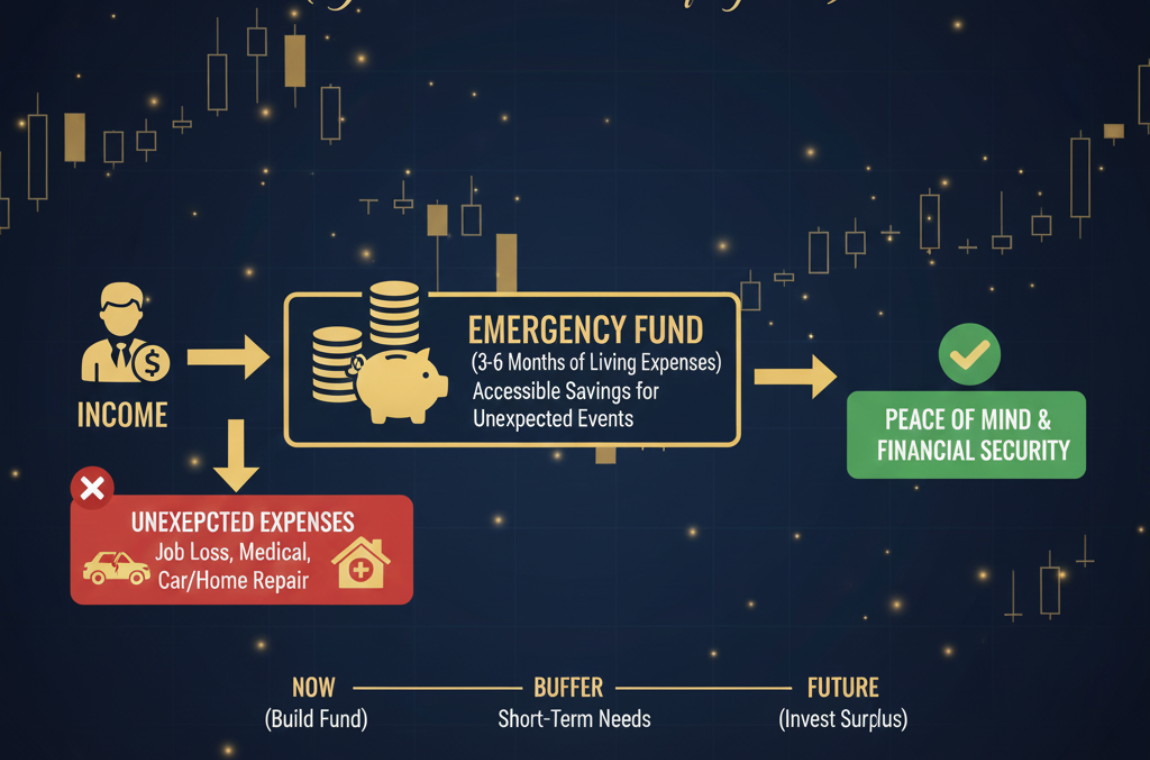
Tax Efficiency & Account Choice (Canadian Focus) Key Accounts: RRSP, TFSA, FHSA, RESP — each has different tax rules and…
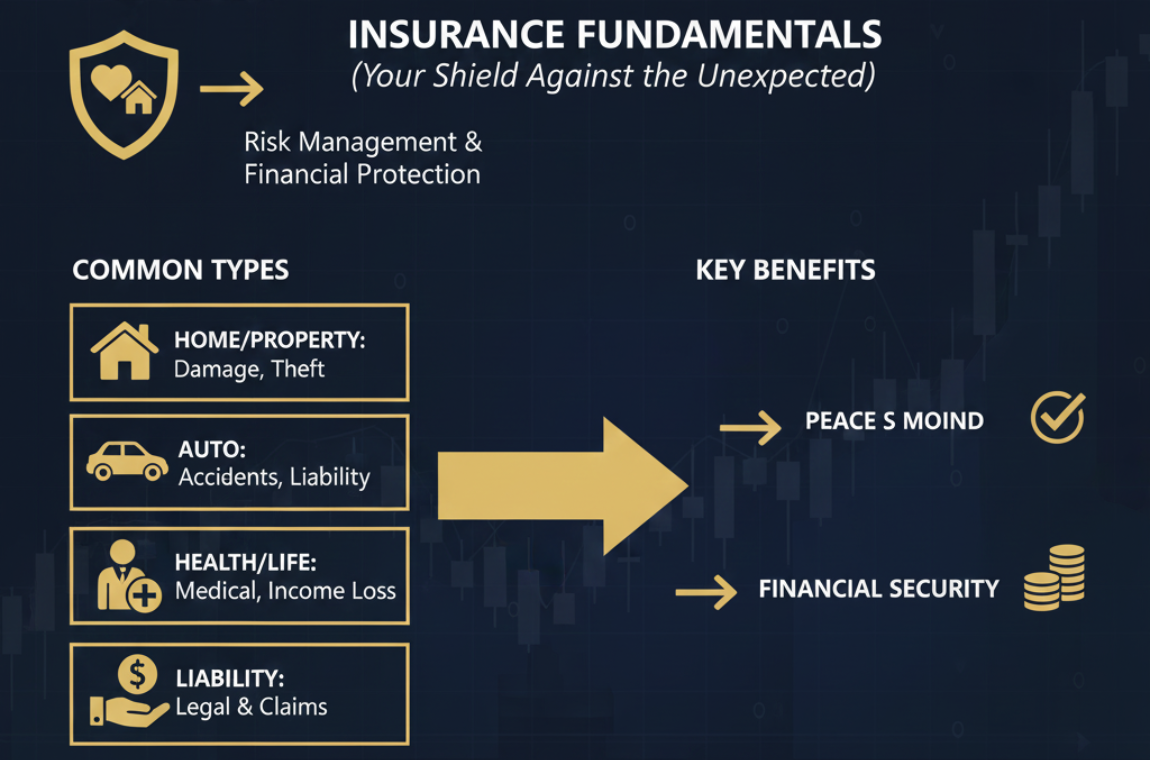
Insurance Fundamentals (Short Primer) Insurance = Risk Transfer Life insurance protects dependents Health/Disability protects income and medical costs Travel/Super Visa/Visitor…
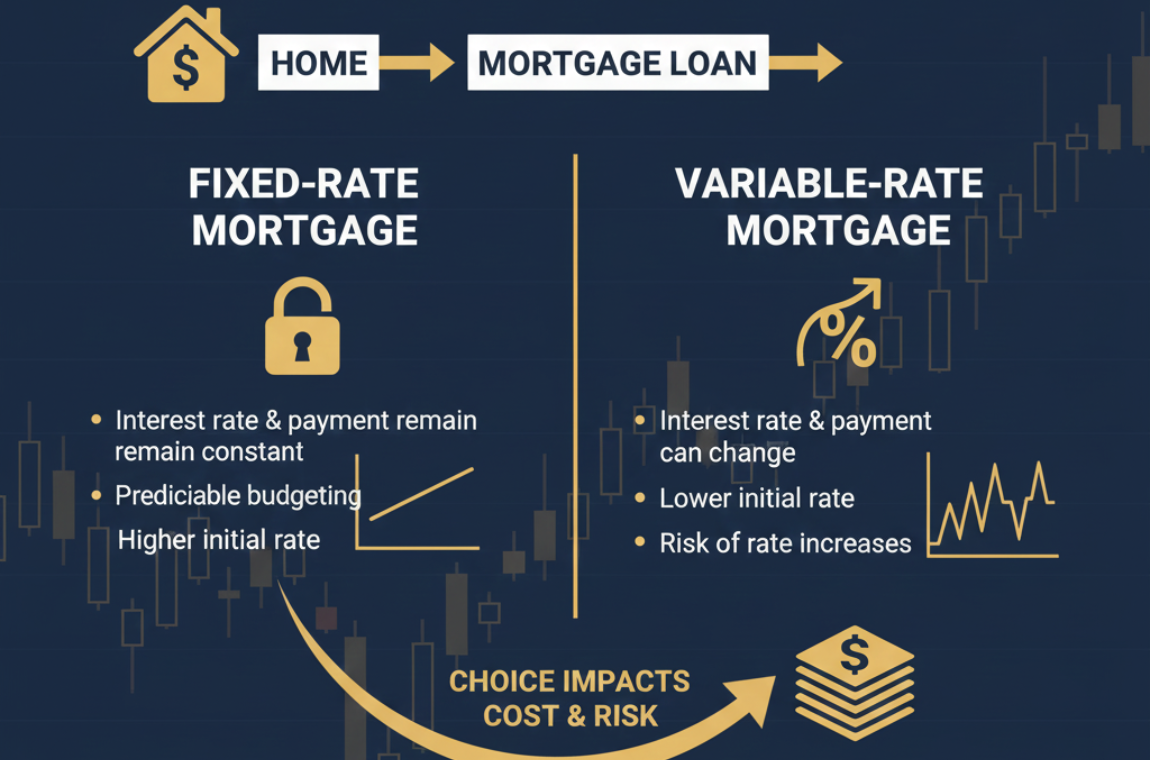
Tax Efficiency & Account Choice (Canadian Focus) Fixed vs variable rates, amortization, prepayment options Key Tip: Even small extra payments…
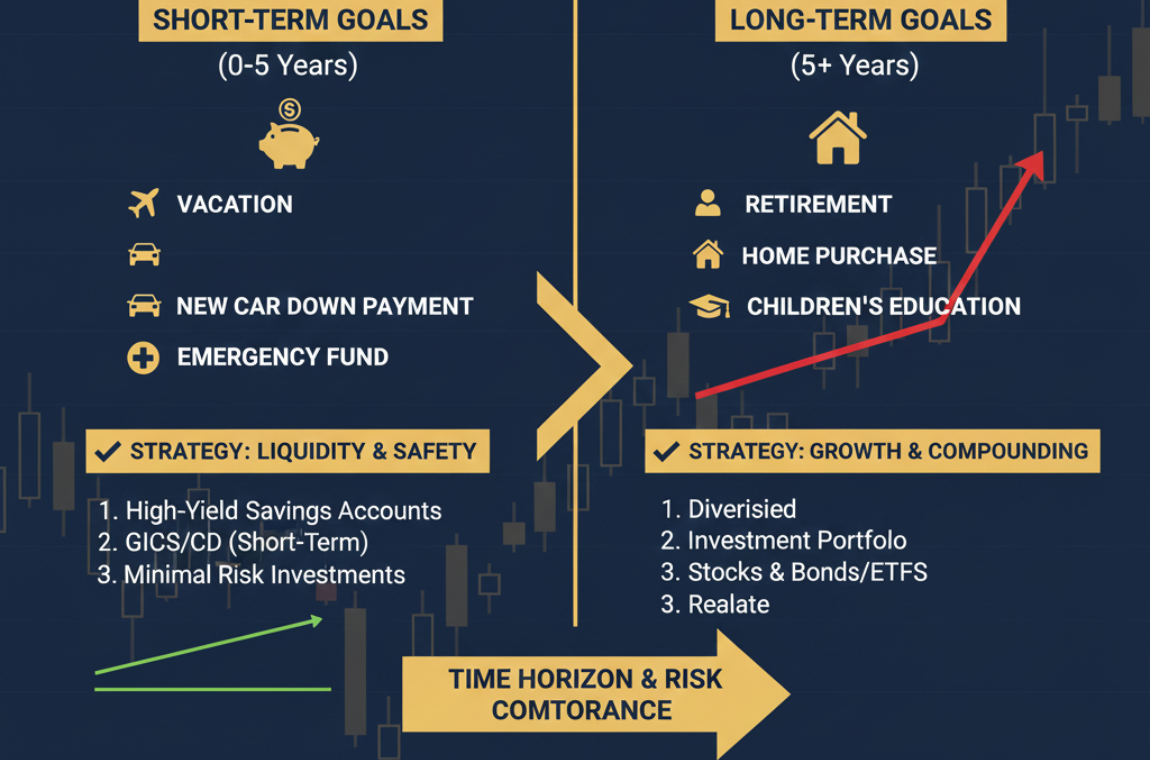
Saving for Goals: Short vs Long Term Short Term: Use low-risk accounts (savings, GICs). Long Term: Use equities and tax-efficient…